THE REGION, UP CLOSE
A landscape with more than one story.
Our regional lens: Travis, Williamson, Hays, Bastrop and Caldwell counties, centered on Austin, Georgetown, San Marcos, Bastrop and Lockhart.
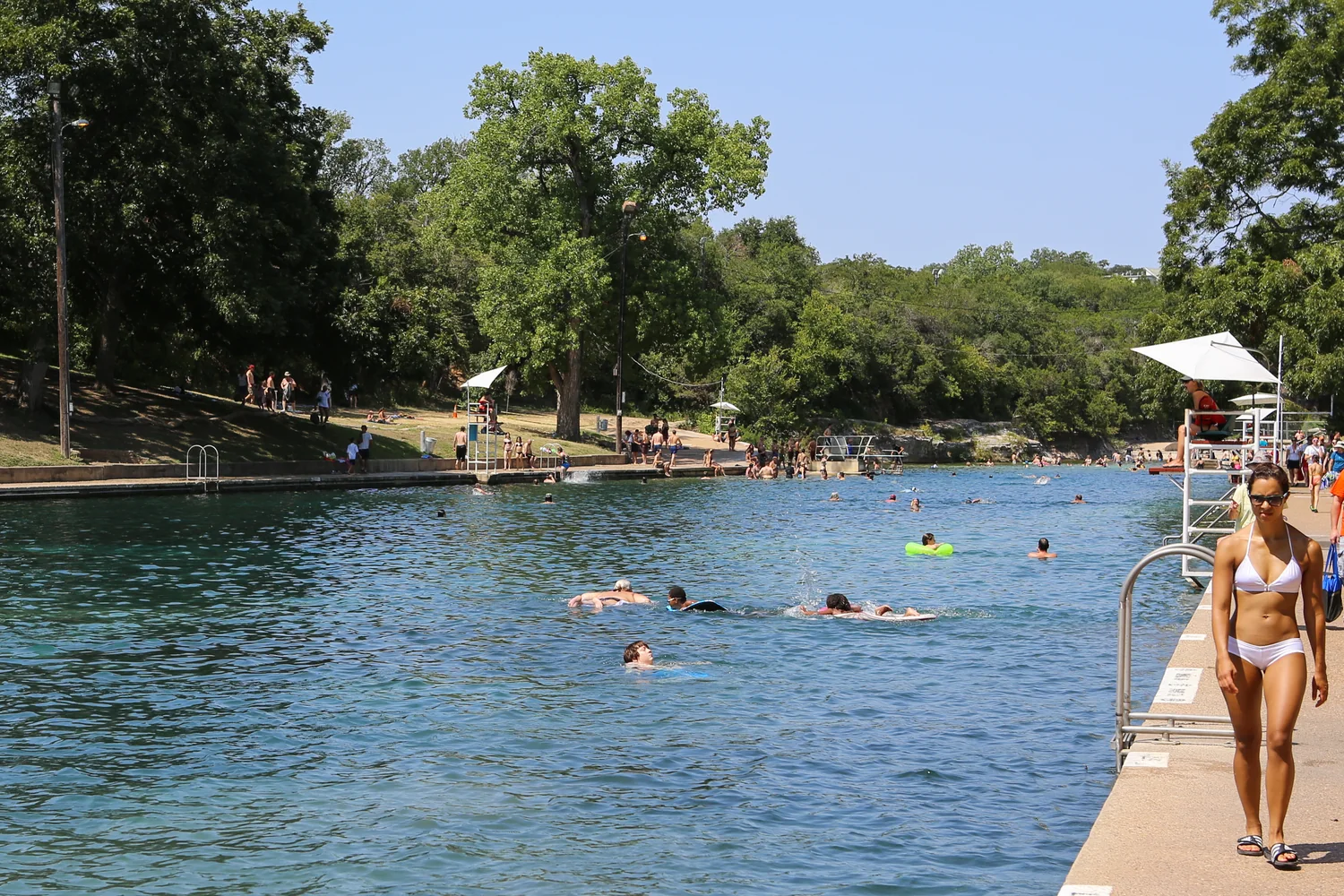
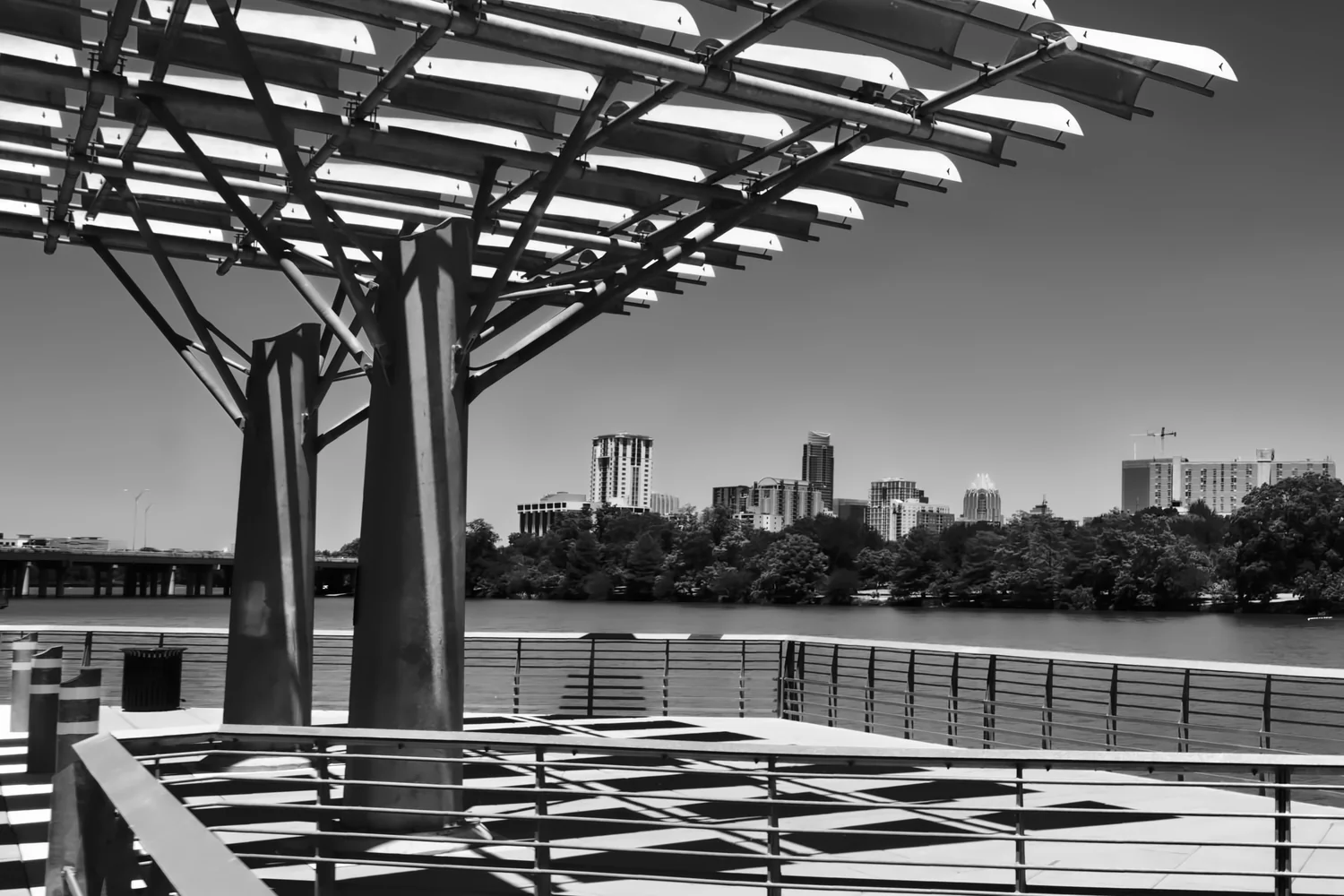
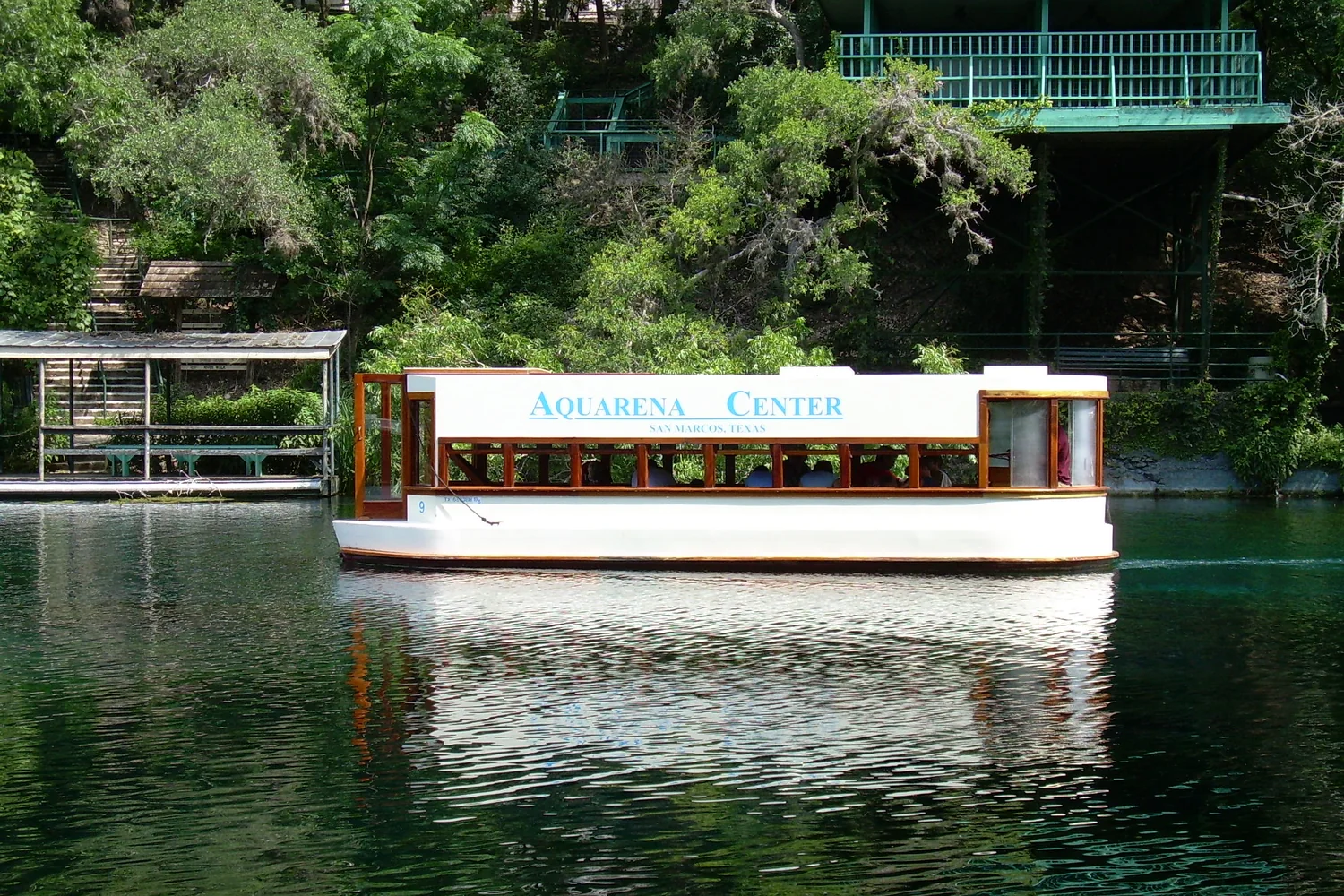
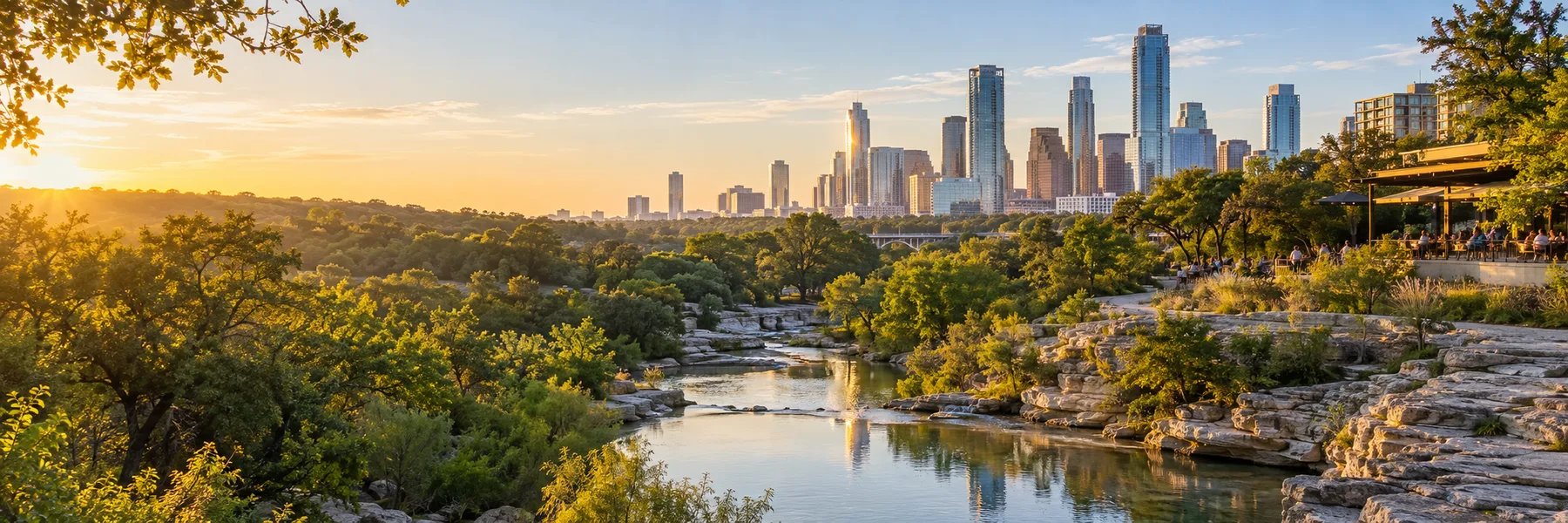
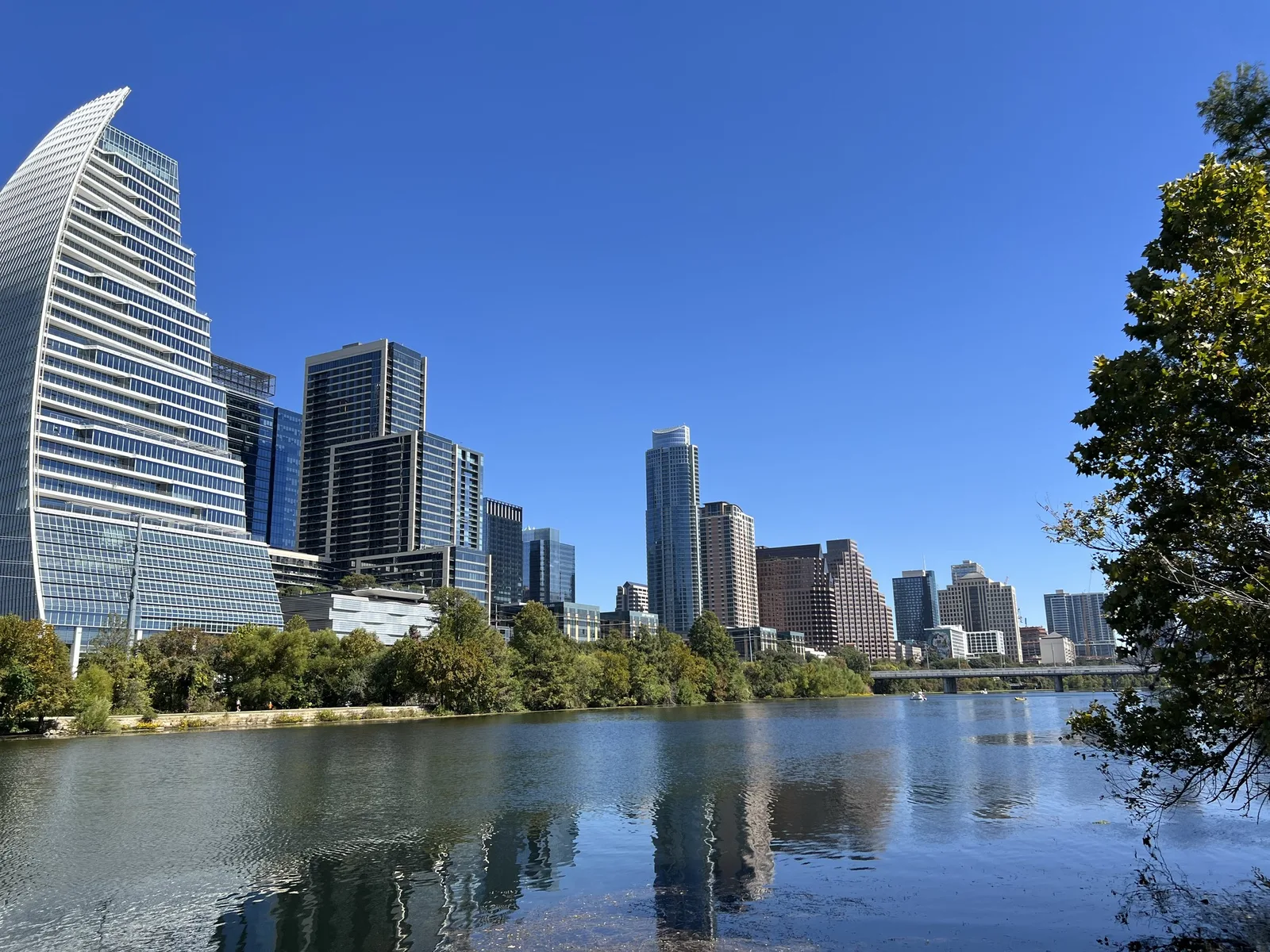
Water gives the region its most intimate experiences. Barton Springs places swimmers in a spring-fed pool that is also habitat for endangered salamanders, a reminder that Austin’s pleasures depend on a living aquifer. In San Marcos, the Meadows Center’s glass-bottom boats let you look into Spring Lake without turning it into an ordinary swimming hole. Along Lady Bird Lake, the Butler Trail translates that relationship into everyday city life: a route for walking, cycling, watching the skyline and taking a proper pause.
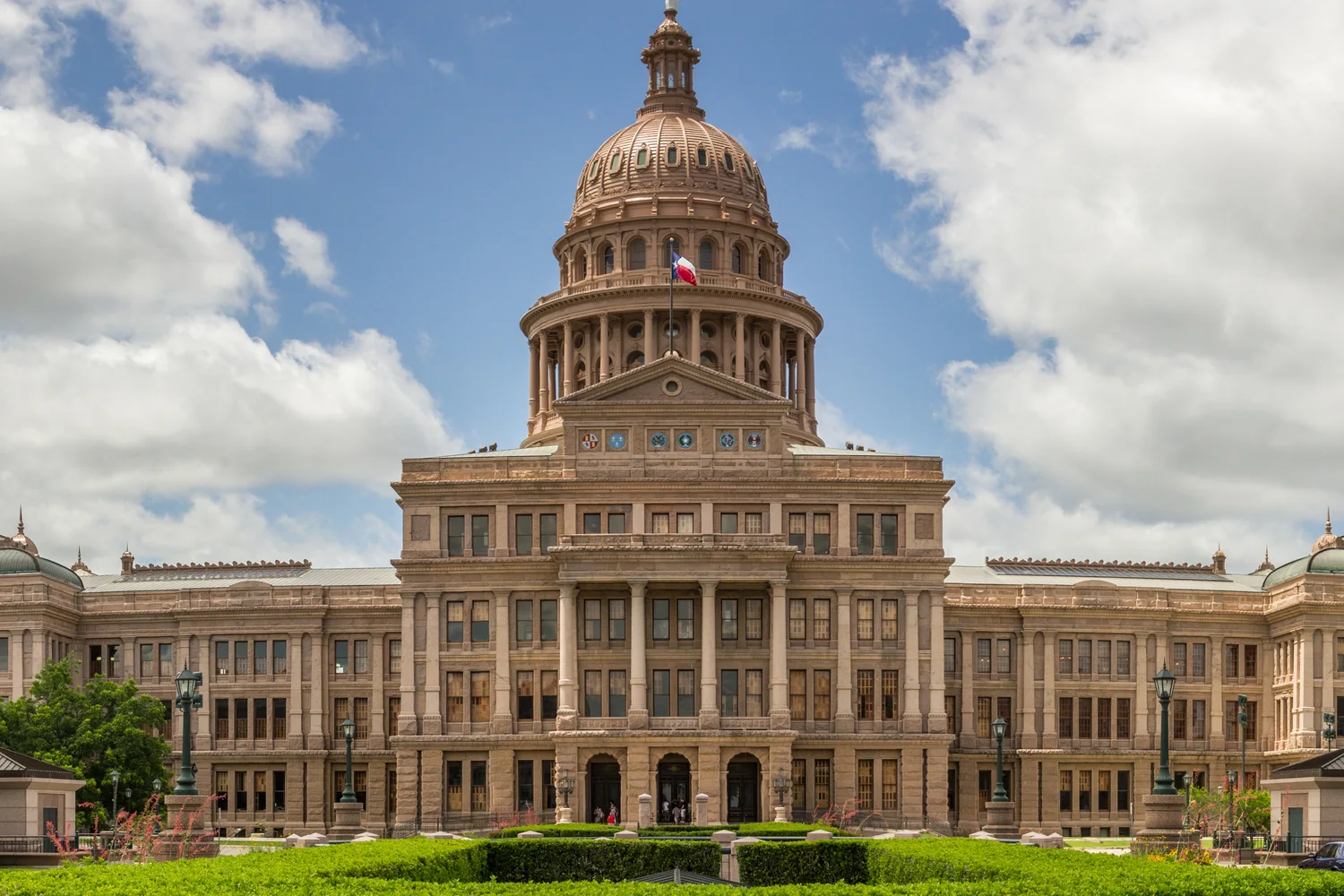
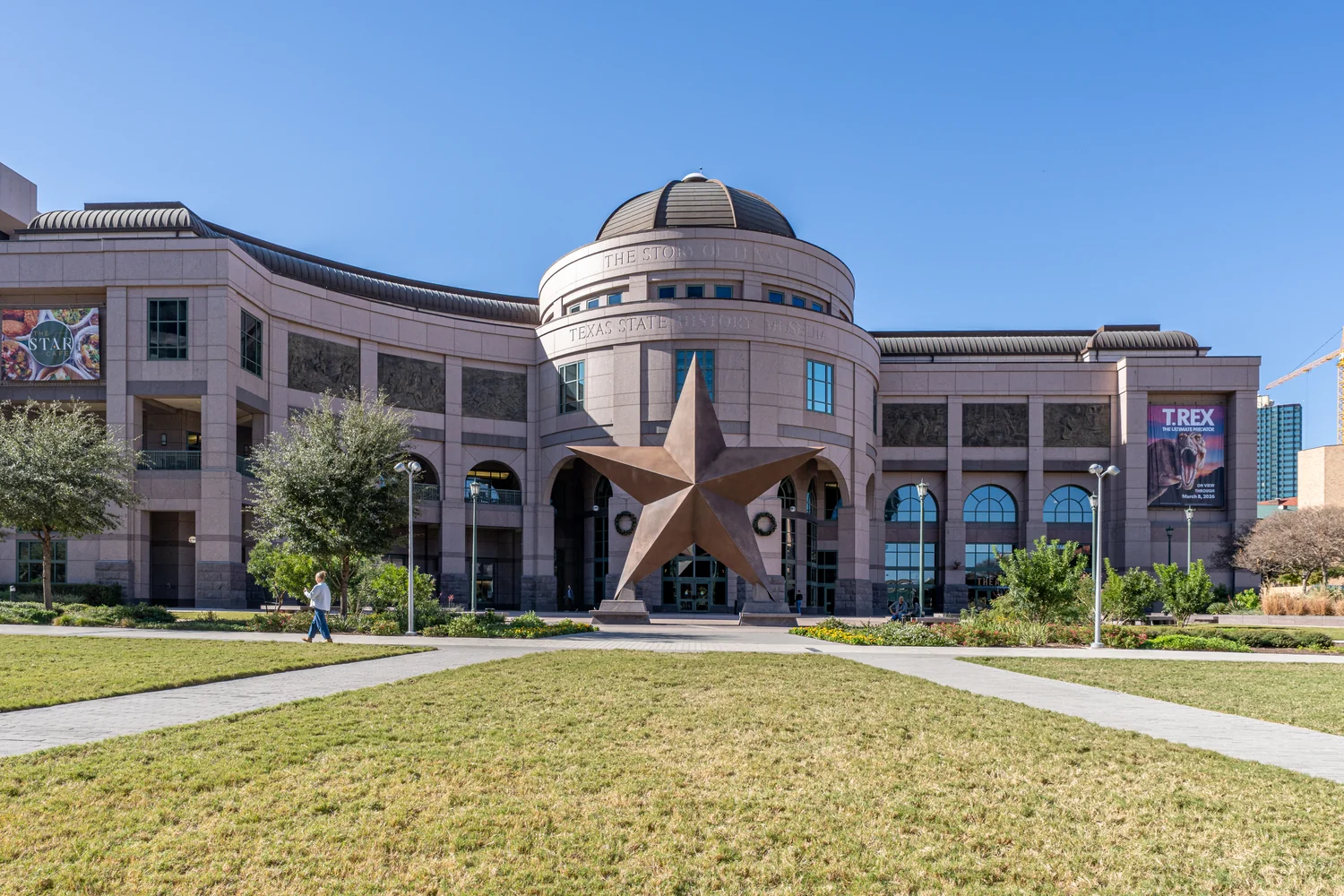
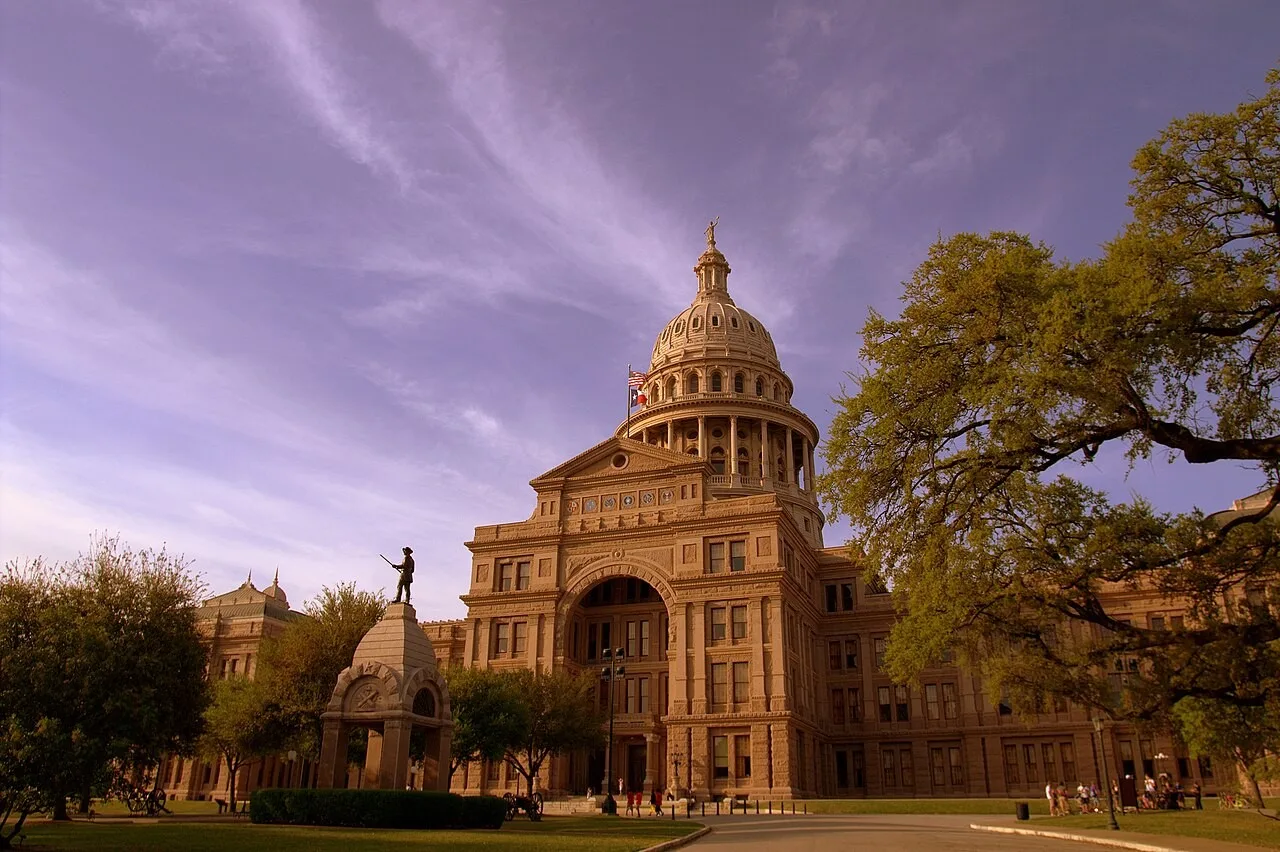
Austin’s role as state capital is written into its materials. The Capitol’s red granite came from Burnet County, carried from the quarry on a specially built railroad; the building connects the city to the wider Texas landscape before you even step inside. At the nearby Bullock Museum, the recovered French ship La Belle carries the story in another direction, toward the coast and colonial ambitions. The Capitol Visitors Center and the museum make a useful pairing: government, engineering and history told through places and objects.
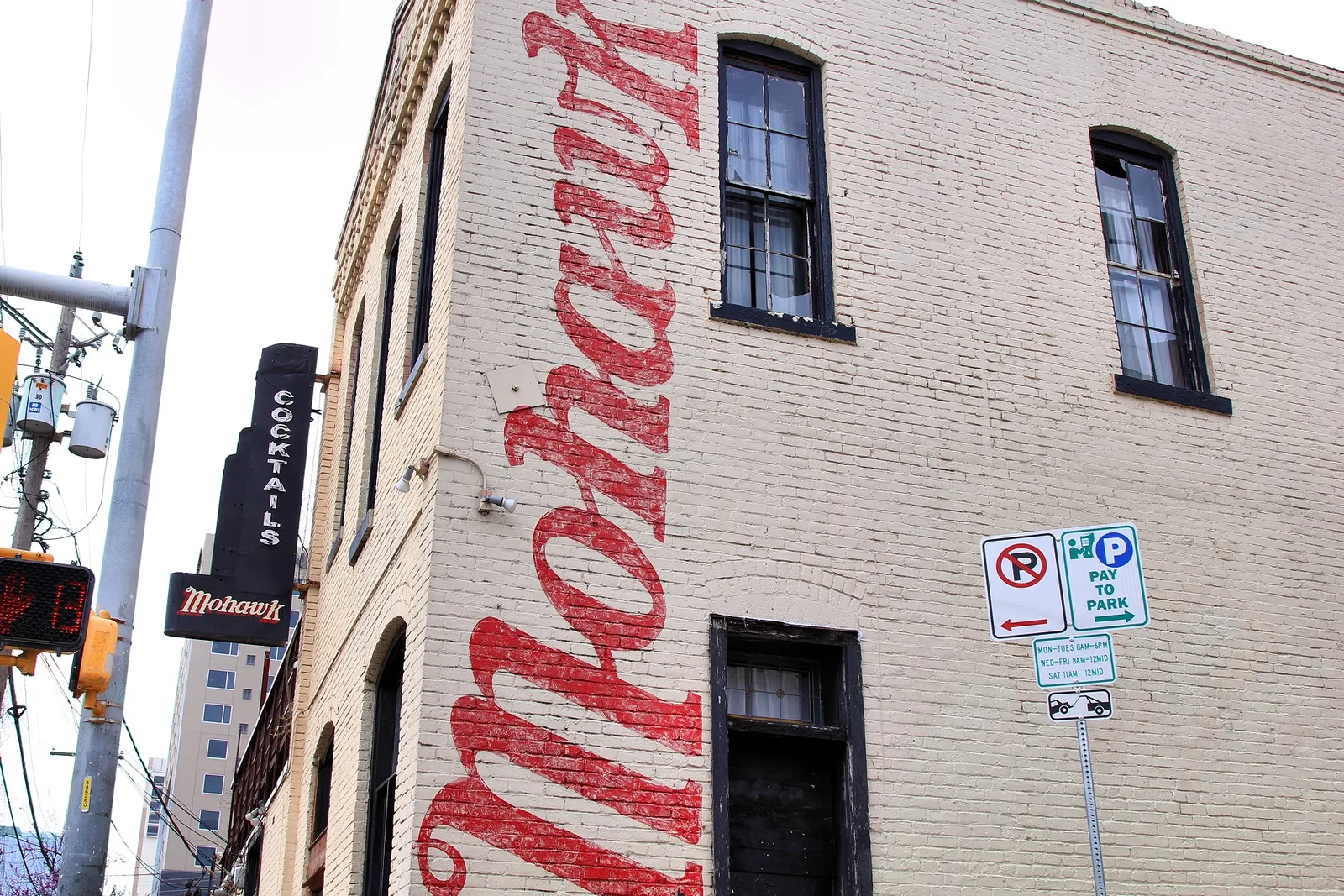
Music works best as a local encounter, not something saved only for a festival-sized occasion. The Red River Cultural District brings a concentration of stages into an evening-sized area, with its own history of independent venues and creative communities. Choose a performance because the sound interests you, arrive in time for the opening act and give the room your attention. Across Austin, Black and Mexican American cultural districts add essential context to the city’s creative identity beyond its best-known nightlife streets.
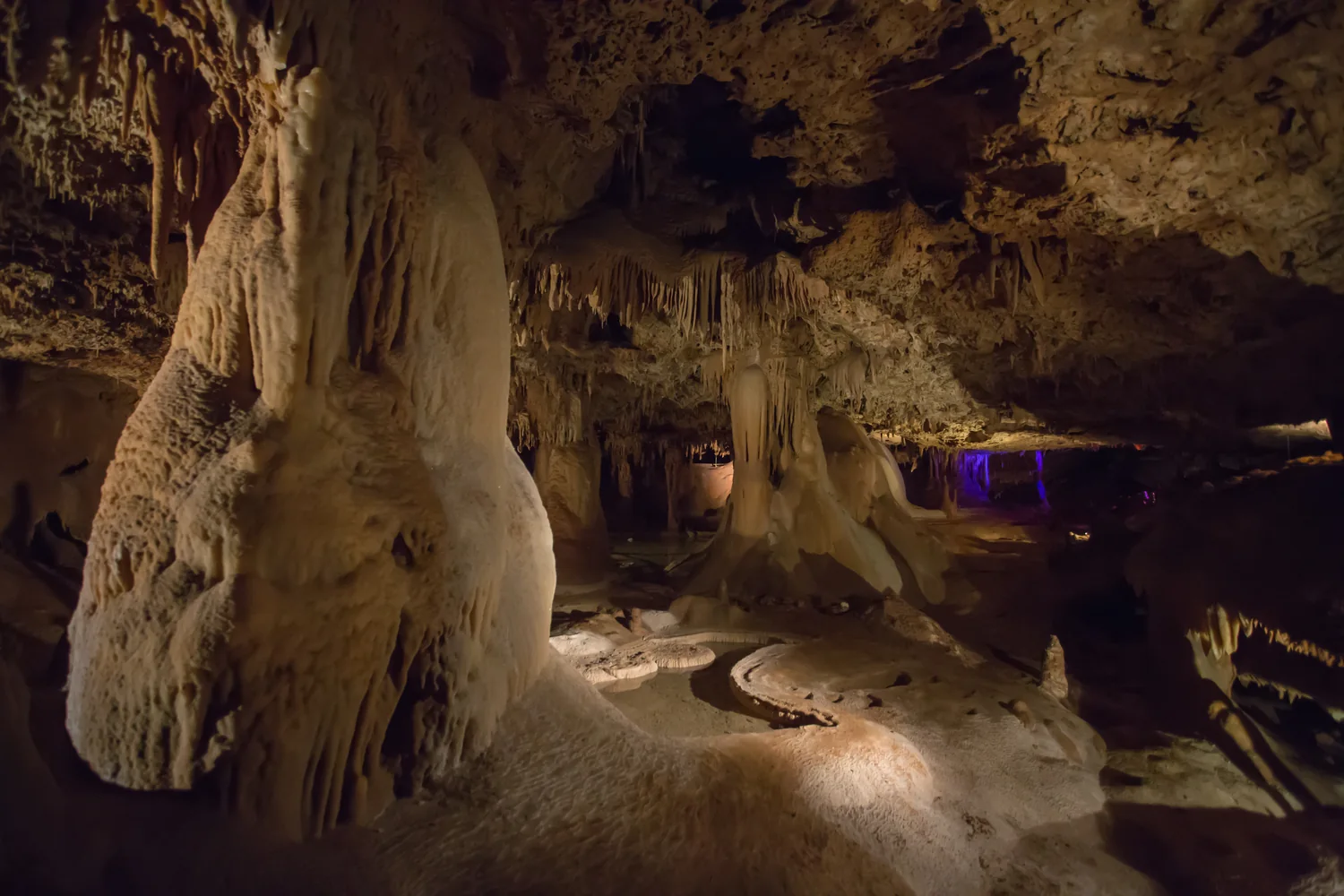
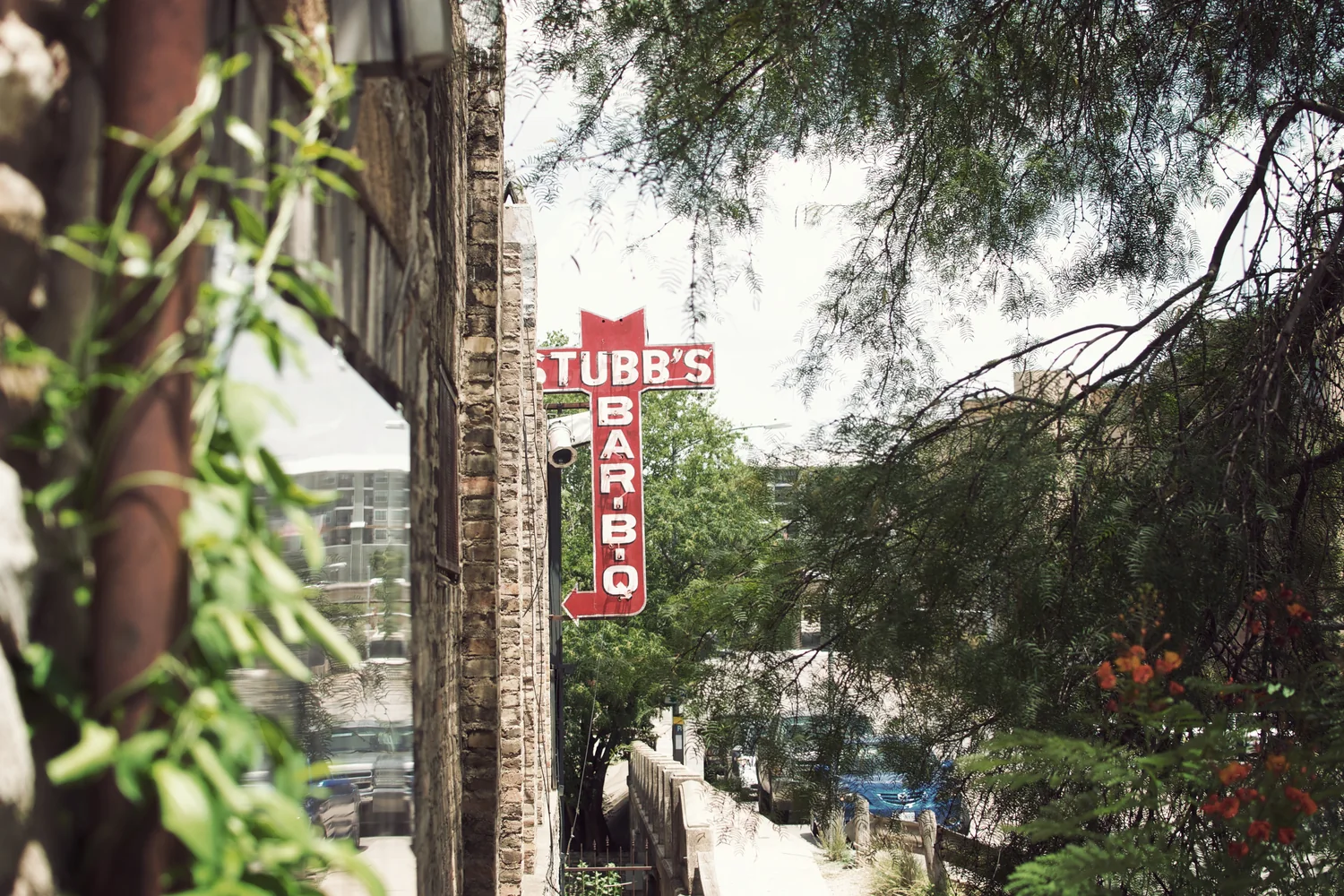
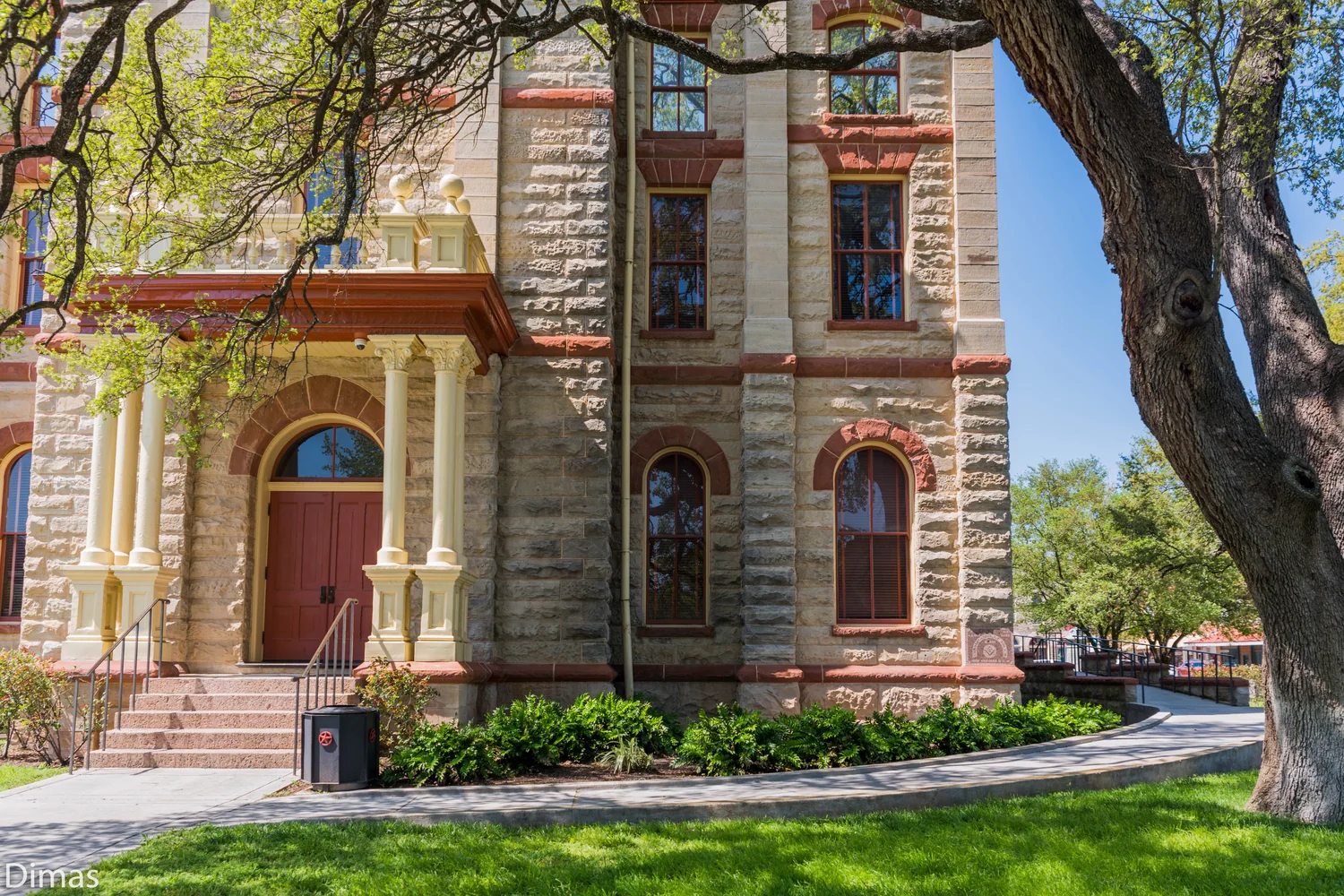
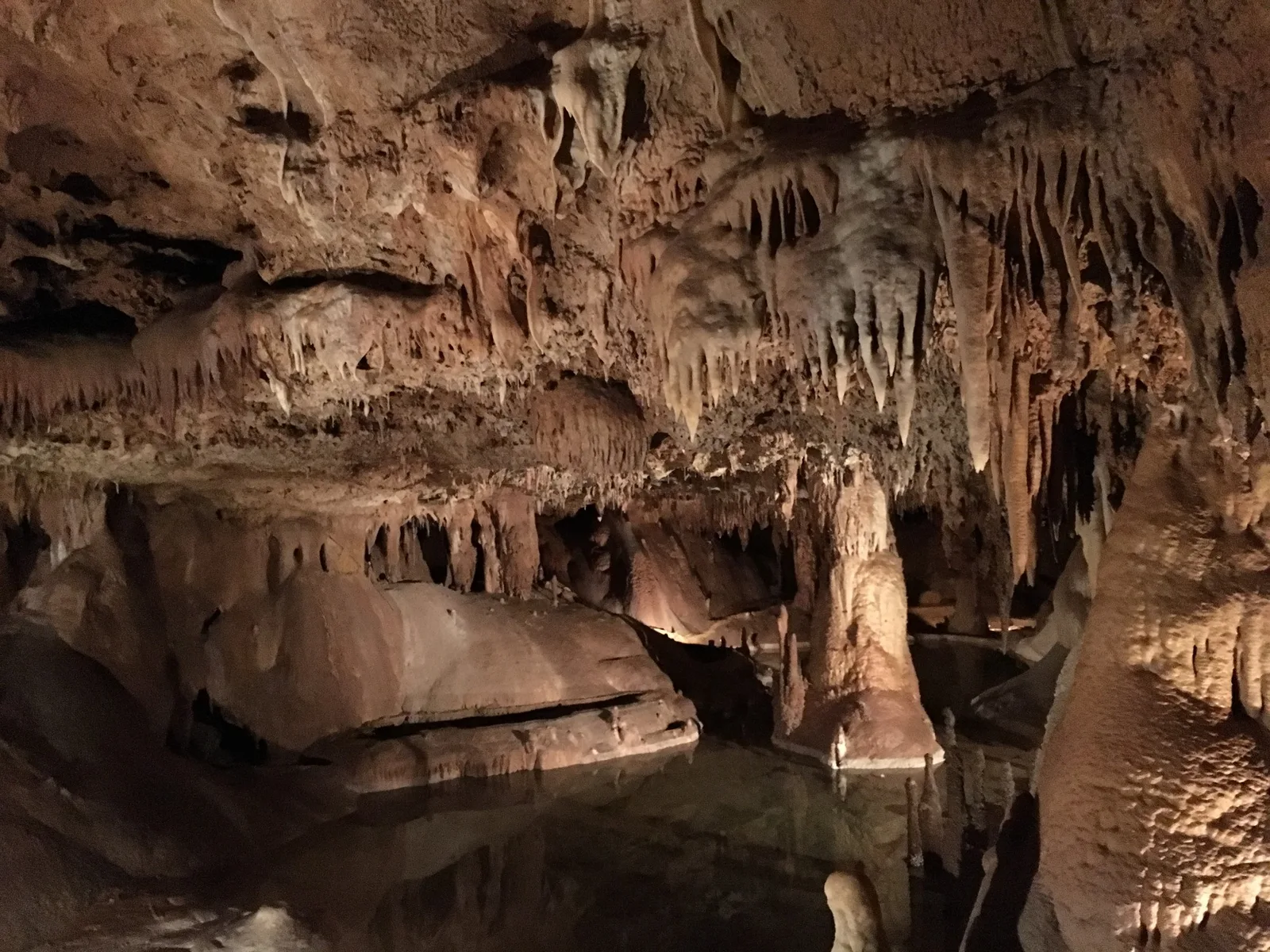
The towns outside Austin offer their own reasons to stop. Near Georgetown, highway testing unexpectedly revealed Inner Space Cavern in 1963; a practical engineering project opened a window into a much older landscape. In Lockhart, the pull is above ground: barbecue traditions and a courthouse-centered downtown that rewards a walk after lunch. These are good destinations for a deliberately modest plan. Give a cave tour or a meal room to become the main event instead of squeezing it between highway exits.
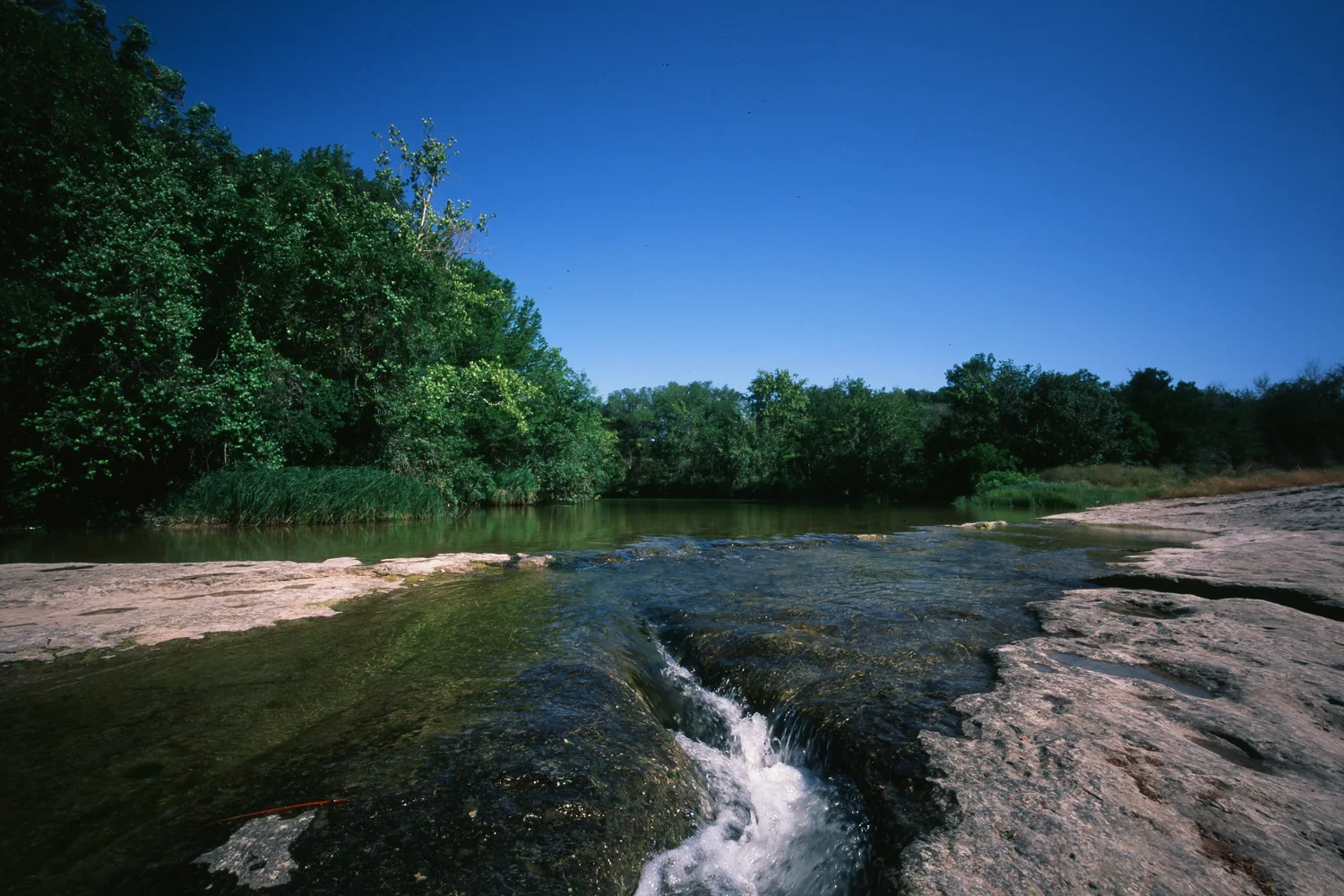
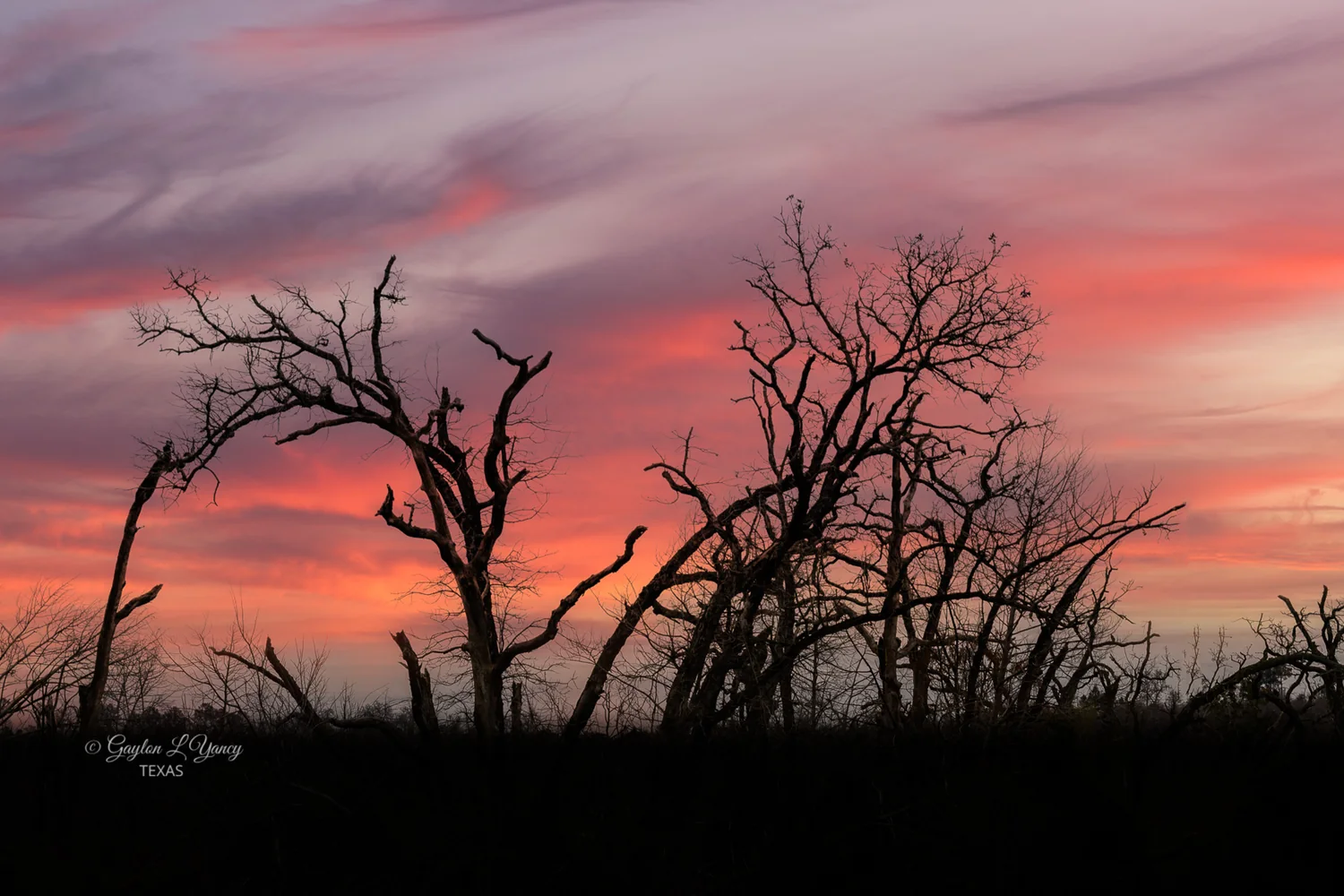
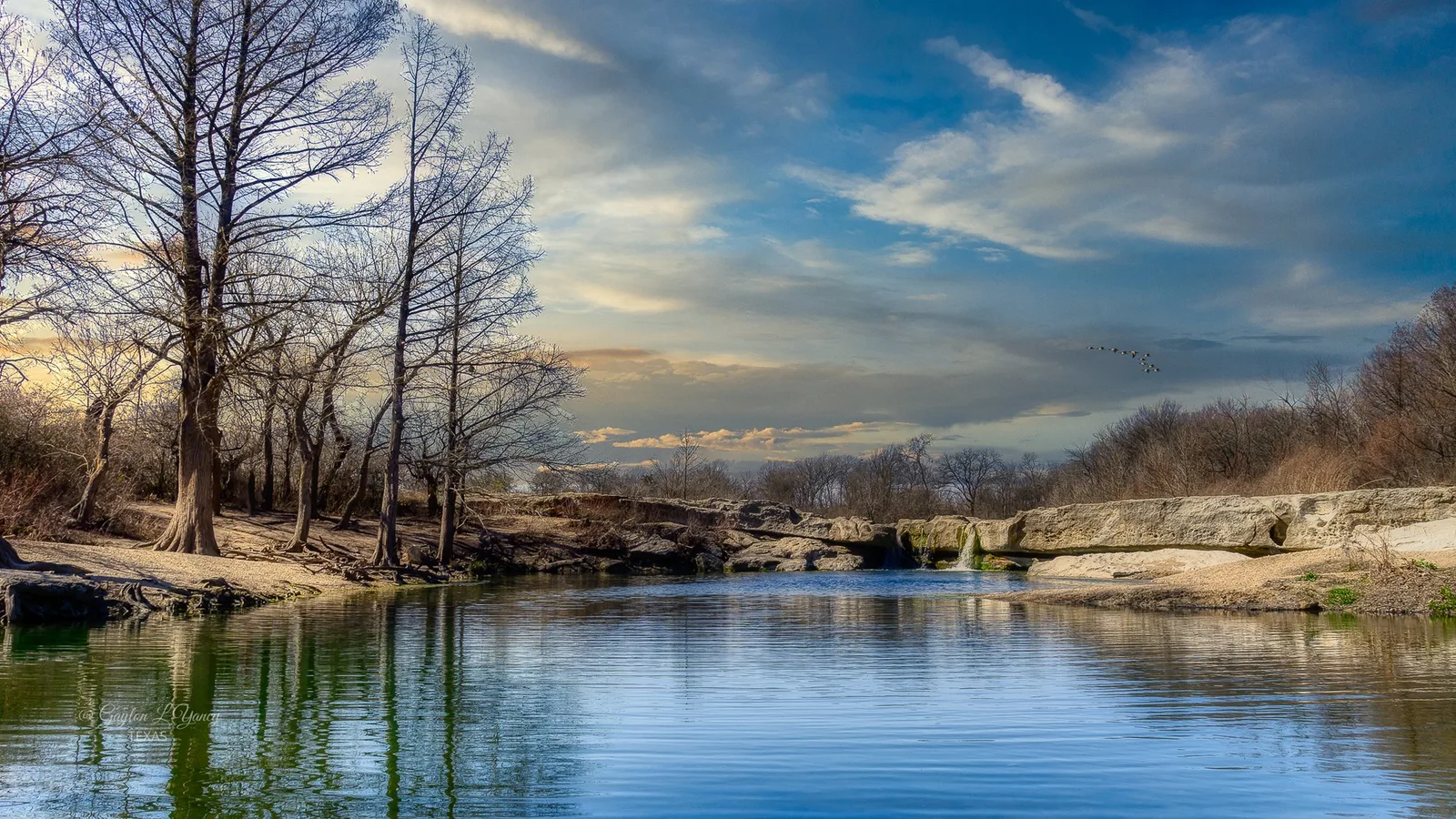
East of Austin, the Lost Pines change the palette. Bastrop State Park protects part of an isolated loblolly-pine woodland separated from the larger East Texas forests. Its trails also tell a story of recovery after the destructive 2011 wildfire. New growth, surviving trees and historic park structures make the landscape worth reading closely. Closer to the city, McKinney Falls offers a different encounter with water and stone, where Onion Creek crosses limestone ledges and conditions can change quickly after rain.
Build a Greater Austin visit around a little movement and a little lingering. Pair a substantial city experience with one outward trip, keep outdoor plans responsive to heat and water conditions, and resist collecting counties just to say you did. The region’s character emerges in the connections: music sustained by its rooms, towns organized around their gathering places, and springs and forests that make the landscape much more than a backdrop.